Define the Scope of Your Tampa Move
Use this moving scope checklist to document inventory, requested help, Tampa access conditions, timing, and key details before requesting a quote.
Tampa, FL
Plan a move beyond the local area by defining the route, shipment, timing, property access, and help you want reviewed for a tailored quote.
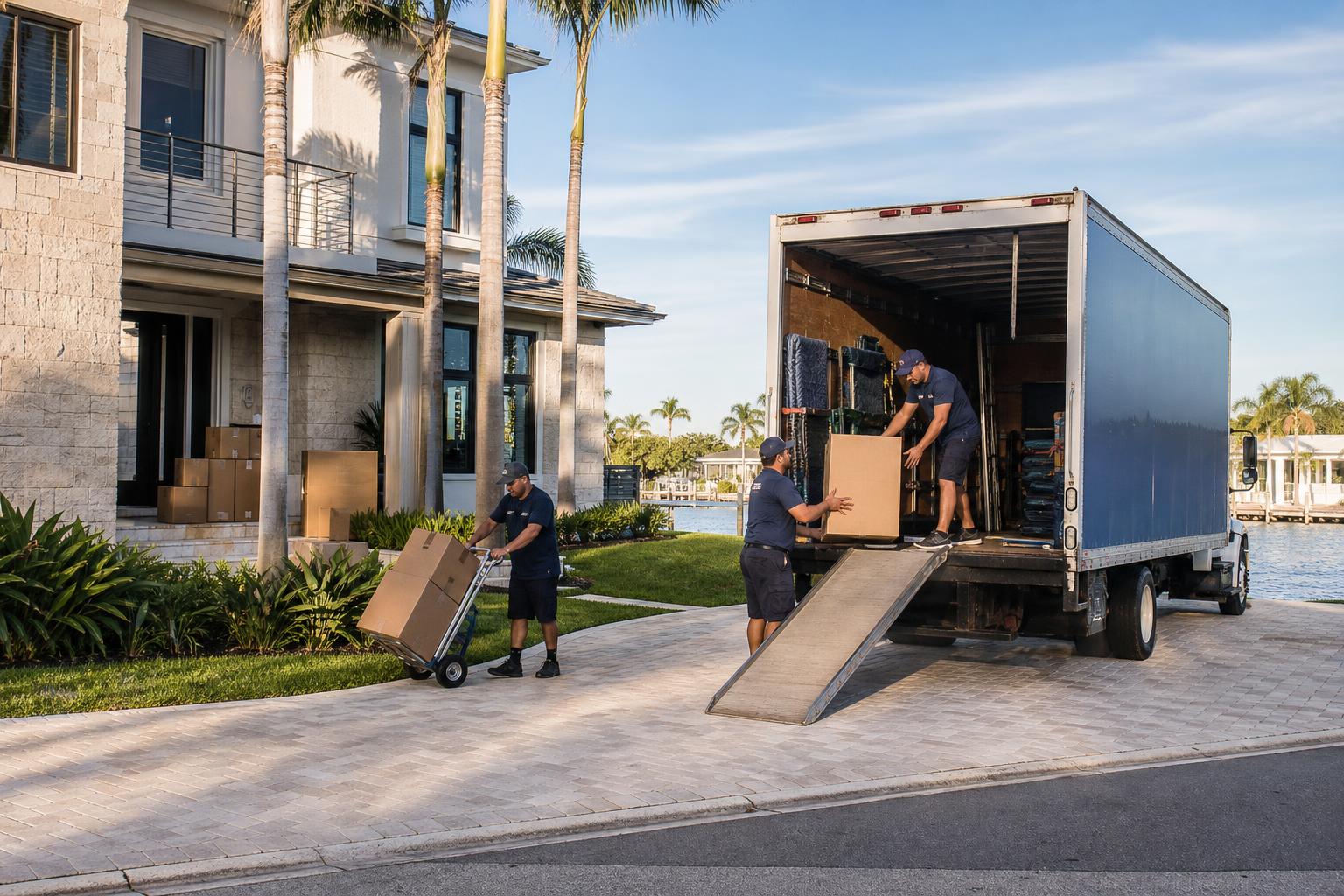
Direct answer
Plan a move beyond the local area by defining the route, shipment, timing, property access, and help you want reviewed for a tailored quote.
Scope
Long-distance moving in Tampa, FL, with clear options, local scheduling, and a straightforward request process.
The reviewed scope should identify the route, shipment, requested labor, timing, access conditions, and any selected handling or valuation terms.
Ask for pickup and delivery terms, charge categories, potential additions, and responsible carrier information to be stated in the applicable documents.
Do not assume packing, unpacking, materials, storage, furniture assembly, specialty-item handling, or debris removal is included unless the quote expressly lists it.
Elevators, loading docks, loading zones, garage clearance, and curb space remain subject to the applicable property and municipal rules.
For a move entirely within Florida, confirm the mover's Florida registration and review the written-estimate and contract terms required under applicable state law.
For a move crossing state lines, verify the carrier through FMCSA and compare federal paperwork, valuation choices, delivery terms, and claims provisions.
If either is needed, request it as a separately identified part of the scope and confirm materials, duration, access, handling, and related charges.
Start by confirming whether the destination is elsewhere in Florida or across state lines. An in-state move and an interstate move can involve different rules, paperwork, liability terms, scheduling considerations, and pricing methods. Also ask whether your shipment will travel directly, share space, require storage, or involve a delivery window rather than a single promised date. These distinctions help you compare proposals on equivalent terms.
Prepare an inventory by room and identify furniture, appliances, fragile pieces, and unusually heavy or bulky items. Ask which services are included rather than assuming packing, materials, disassembly, assembly, storage, debris removal, or specialty handling is part of the quote. This service may fit households, employees, students, or other customers relocating over a longer route, but suitability depends on the origin, destination, shipment, schedule, and requested support.
Provide floor levels, stair counts, elevator and loading-dock rules, walking distance from truck to door, gate instructions, garage or street restrictions, and truck-size limits at pickup and delivery. Tampa customers should confirm building loading arrangements and whether curb use or an obstruction affecting the public right-of-way needs authorization. Keep identification, medication, records, valuables, and essentials with you, and monitor official weather information when moving during the Atlantic hurricane season from June 1 through November 30.
Price can be affected by shipment weight or volume, route distance, labor, packing materials, access delays, long carries, storage, bulky-item handling, valuation selection, tolls, parking, and date demand. If the route uses the all-electronic Selmon Expressway, ask how tolls are handled. For an interstate household-goods move, verify the mover through FMCSA's Protect Your Move resources and compare valuation options, delivery terms, potential additional charges, claims procedures, cancellation terms, and subcontracting disclosures in writing.
Process
Provide the origin, destination, preferred date, property types, approximate move size, and whether stairs, elevators, gates, or loading restrictions apply.
Identify services you want considered, such as packing, loading, unloading, labor-only help, furniture assembly, moving supplies, storage coordination, or specialty-item handling.
Confirm the written scope, pricing basis, possible additional charges, payment terms, scheduling details, and any preparation responsibilities before proceeding.
Update the mover about inventory changes, parking constraints, building rules, fragile items, and heavy or unusual objects before the move.
Pricing guidance
Local planning
Options
Preparation
FAQ
Provide complete pickup and delivery locations, preferred dates, an itemized inventory, access conditions at both properties, requested packing or handling, and any storage need. Disclose bulky, fragile, or unusually heavy pieces so their requirements can be reviewed.
Ask whether each proposal gives a specific date or a delivery window, what events can change that timing, how updates are provided, and whether storage or redelivery charges can apply. Put the answers in writing before choosing.
Use FMCSA's Protect Your Move resources to confirm the USDOT record and complaint information. Review the estimate, bill-of-lading terms, valuation choice, claims deadlines, payment requirements, and whether another carrier may handle any part of the shipment.
Resources
Use this moving scope checklist to document inventory, requested help, Tampa access conditions, timing, and key details before requesting a quote.
Define your moving scope in Tampa by documenting inventory, requested help, property access, timing, and terms before asking for a tailored quote.
Understand moving costs in Tampa, identify scope and access factors, prepare useful details, and ask better questions before scheduling your move.
Understand moving costs, compare budget trade-offs, account for Tampa access conditions, and prepare the details needed for a tailored quote.
Next step
Share the basic details and request a more specific response.
Request a Long-Distance Move QuoteStep 1 of 2