Define the Scope of Your Tampa Move — Scope Move Guide
Define your moving scope in Tampa by documenting inventory, requested help, property access, timing, and terms before asking for a tailored quote.
Tampa, FL
Define the route, inventory, building conditions, timing, and help you need so the requested scope can be reviewed for a tailored quote.
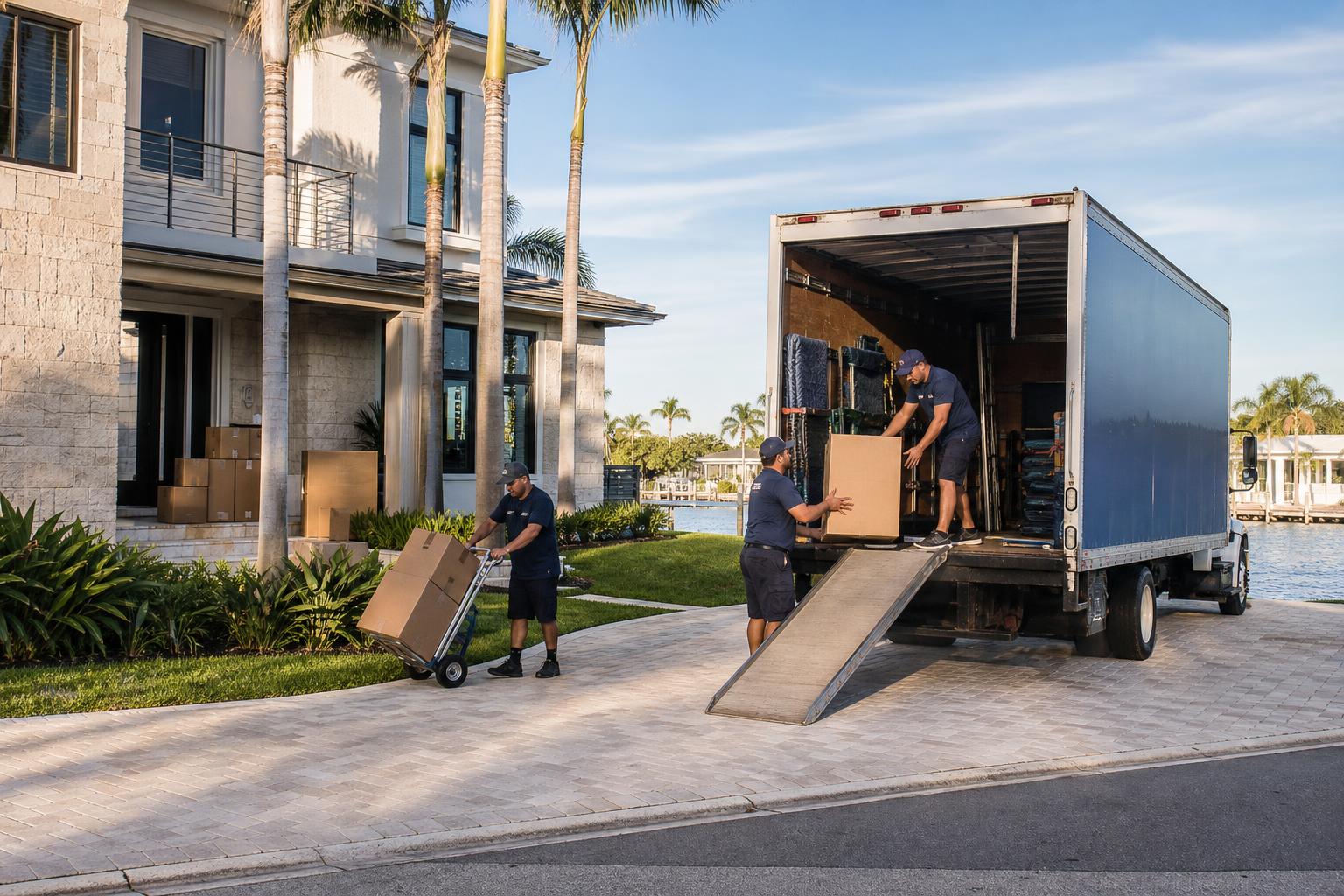
Direct answer
Define the route, inventory, building conditions, timing, and help you need so the requested scope can be reviewed for a tailored quote.
Scope
Local moving in Tampa, FL, with clear options, local scheduling, and a straightforward request process.
Pickup and delivery details, inventory, access, timing, and requested assistance can be reviewed to define the proposed move.
The estimate can identify proposed services, charges, location details, and applicable valuation or liability terms.
Packing, unpacking, materials, furniture assembly, appliance preparation, storage, and specialty-item handling should not be treated as included unless listed in the written scope.
Curb space, loading zones, elevators, docks, and building move windows are not assumed available; confirm reservations, restrictions, and any required authorization.
Ask about customer-packed, partial-packing, or broader packing assistance and confirm materials separately.
Identify pieces that may require disassembly, assembly, protection, or special handling and request written scope details.
Review the available valuation or liability terms, exclusions, documentation expectations, and claim deadlines before signing.
This service fits residential or commercial customers moving between nearby locations and seeking coordinated transport rather than managing every move-day task alone. Begin with pickup and delivery details, the type and size of each property, an inventory or volume estimate, the requested date or range, and items that need special discussion. The exact route and availability must be confirmed through the quote process.
Do not assume every task is included. Ask whether the proposed scope covers loading, transportation, unloading, placement, packing, unpacking, materials, furniture disassembly or assembly, appliance handling, or storage coordination. Identify pianos, safes, pool tables, oversized furniture, fragile pieces, and other specialty items early so handling requirements can be reviewed before an estimate is prepared.
At each property, note stairs, elevators, loading docks, gates, narrow halls, long carries, garage clearance, parking limits, and reserved move hours. Condo and apartment customers should obtain management rules for service elevators, loading areas, certificates of insurance, deposits, floor protection, and truck-size restrictions. Tampa right-of-way permits may apply to certain uses or obstructions, so confirm authorization rather than assuming curb space is available. Downtown parking information does not replace a building's loading-zone or reservation rules.
A project-specific price may reflect crew size and labor time, shipment volume or weight, travel distance, stairs, elevator or dock delays, long carries, packing materials, storage, bulky-item handling, tolls, parking, valuation coverage, and date demand. The Selmon Expressway uses all-electronic tolling, which may affect routing and pass-through charges if used. Ask whether the estimate is binding or nonbinding, which additions may apply, how valuation and claims work, and what happens if timing or access changes. For a Florida intrastate household move, review the written estimate and contract required under Chapter 507, subject to its requirements and exceptions.
Process
Provide the origin, destination, preferred date, property types, approximate move size, and whether stairs, elevators, gates, or loading restrictions apply.
Identify services you want considered, such as packing, loading, unloading, labor-only help, furniture assembly, moving supplies, storage coordination, or specialty-item handling.
Confirm the written scope, pricing basis, possible additional charges, payment terms, scheduling details, and any preparation responsibilities before proceeding.
Update the mover about inventory changes, parking constraints, building rules, fragile items, and heavy or unusual objects before the move.
Pricing guidance
Local planning
Options
Preparation
FAQ
Not necessarily. Ask how the quote is calculated, what time or travel components apply, whether there is a minimum, and which access or handling conditions could add charges. Obtain the pricing method and potential additions in writing.
Share reserved move hours, service-elevator details, loading instructions, garage clearance, parking rules, certificate-of-insurance requirements, deposits, protective-covering rules, and the walking distance between the truck and unit.
Monitor official City of Tampa, county, and National Hurricane Center information. Review postponement, cancellation, storage, and redelivery terms in advance, keep essential records and medication separate, and never proceed against an evacuation order.
Resources
Define your moving scope in Tampa by documenting inventory, requested help, property access, timing, and terms before asking for a tailored quote.
Use this moving scope checklist to document inventory, requested help, Tampa access conditions, timing, and key details before requesting a quote.
Avoid common local move mistakes in Tampa by defining access, timing, inventory, written terms, weather plans, and key questions before scheduling.
Use this planning guide to build a Tampa moving budget around your inventory, access conditions, requested help, timing, tolls, and possible additions.
Next step
Share the basic details and request a more specific response.
Request a Local Moving QuoteStep 1 of 2