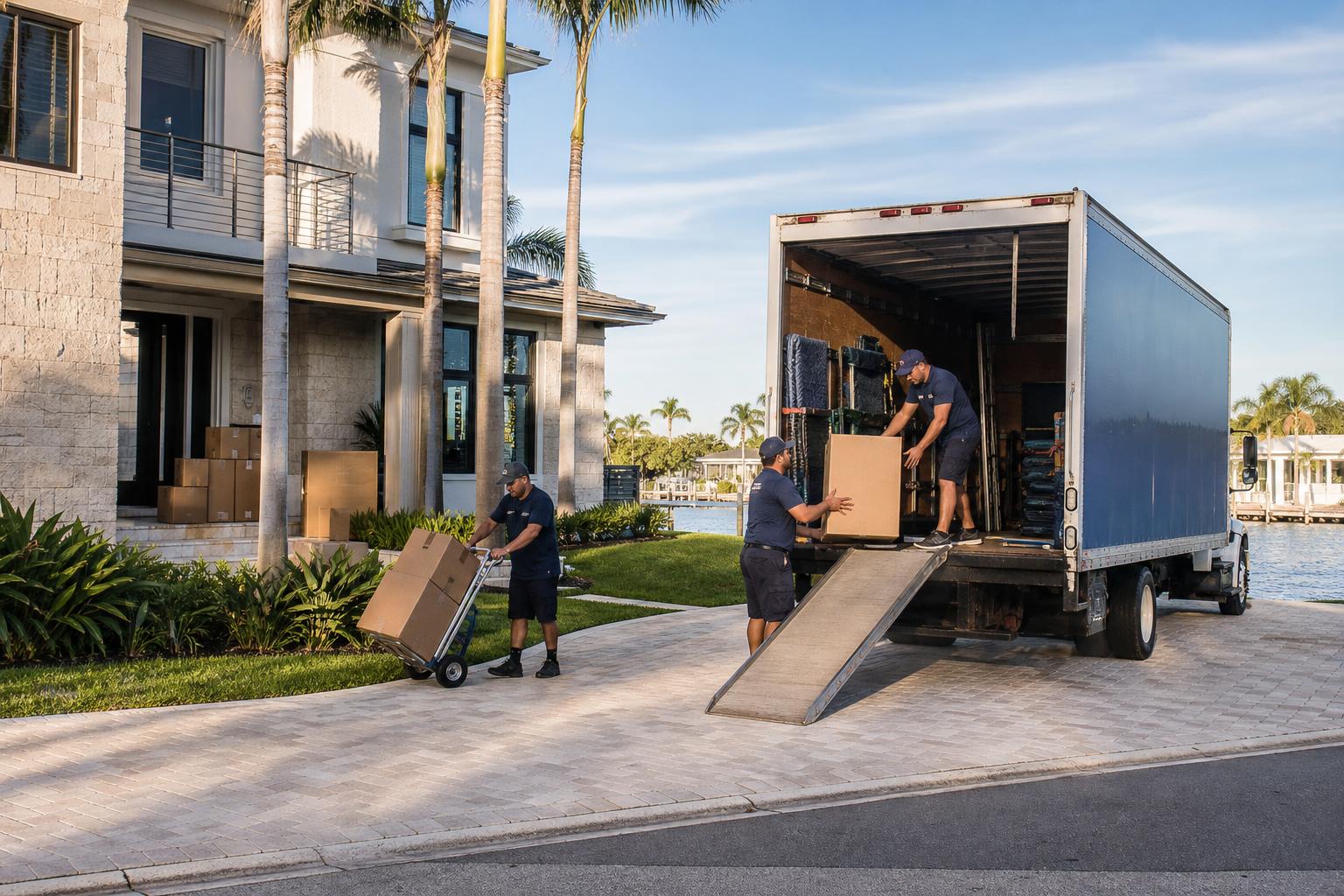
Booking checklist: work backward from move day
Use the date you can enter the new property—not just your lease or closing date—as the planning anchor. 1. Confirm when you must leave the current property and when you can access the new one. If those dates do not align, identify whether you may need storage, delayed delivery, or another interim arrangement. 2. Ask both properties about permitted moving hours, elevators, loading areas, truck restrictions, deposits, required documentation, and floor protection. 3. Decide what help you want: transportation, packing, unpacking, furniture disassembly, or loading and unloading only. List bulky or specialty items separately. 4. Share the addresses, inventory, requested help, access conditions, and preferred date when requesting a quote. 5. Review the written scope, estimate terms, possible additional charges, cancellation terms, and payment requirements before paying a deposit. Florida law establishes written-estimate and contract requirements for household moves performed within the state. Keep a signed copy and make sure the mover named on the document matches the company you intend to hire. Source: The Florida Senate — Chapter 507, Household Moving Services (https://www.leg.state.fl.us/statutes/index.cfm?App_mode=Display_Statute&URL=0500-0599/0507/0507.html).
Allow time for building approval
A confirmed mover does not automatically mean a building has approved the move. Condominiums, apartments, offices, and managed communities may require advance elevator reservations, loading-area coordination, deposits, protective materials, or a certificate of insurance. Some also limit move days, hours, or truck sizes. Contact management at both locations before finalizing the schedule. Send every rule to the mover so labor, equipment, and arrival plans can be reviewed accurately. If approval is pending, treat the date as provisional rather than assuming access will be granted.
Account for busy dates and Tampa weather
Weekends and dates near the beginning or end of a month may attract more requests because they often align with lease changes. If your schedule depends on one of these dates, begin comparing options earlier and ask whether an alternate weekday is practical. Peak-date demand can also affect cost, but no date should be assumed available until it is confirmed in writing. For moves from June 1 through November 30, build flexibility around Atlantic hurricane season. Review postponement, cancellation, storage, and redelivery terms before move day, and identify backup dates when possible. Monitor official weather and emergency information as the date approaches; never proceed against an evacuation order. Source: City of Tampa — Hurricane Information (https://www.tampa.gov/emergency-management/programs/hurricane-information).
Confirm the scope before committing
A date is only useful when everyone understands the work attached to it. Check that the written documents identify the pickup and delivery details, requested services, access constraints, valuation or liability terms, and disclosed charges. Ask whether the estimate is binding, nonbinding, or subject to specified additions. If the move crosses state lines, verify the carrier through FMCSA’s Protect Your Move resources. For a move entirely within Florida, use the Florida Department of Agriculture and Consumer Services business lookup and complaint resources. These checks should be completed before payment, not left until move day. Related planning: visit the Tampa Pro Movers resources hub at /resources/, review packing support at /services/packing-services/, or compare residential moving scope at /services/residential-moving/.