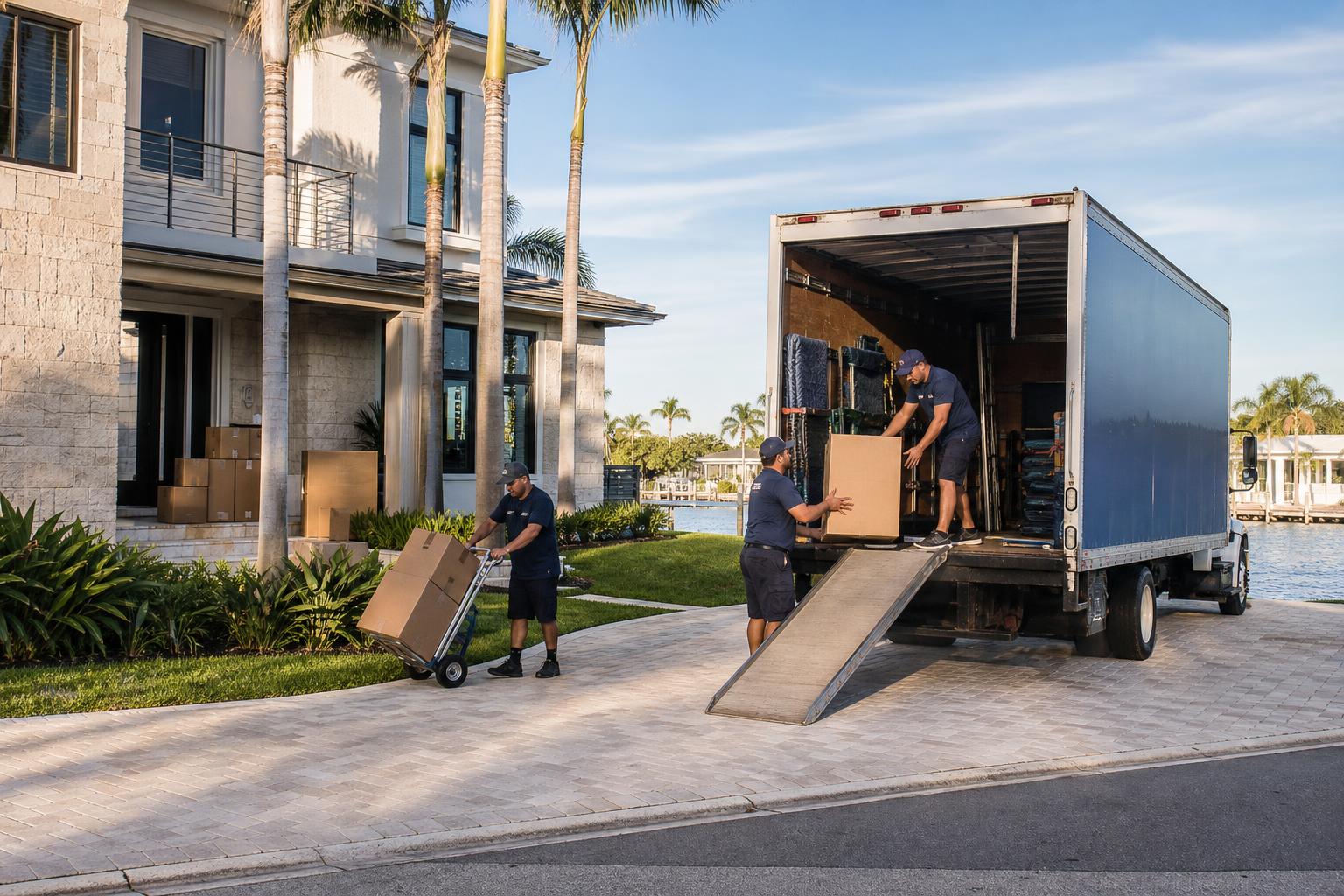
Problem: incomplete details can produce incomplete estimates
A quote may account for labor, shipment weight or volume, travel distance, or a combination of factors. The final amount can also be affected by crew size and hours, stairs, elevator or loading-dock delays, long carries, packing materials, storage, bulky-item handling, tolls, parking, valuation coverage, and date-specific demand. Create one written move description and give the same information to every company. This makes differences in services, assumptions, and possible surcharges easier to identify. For a broader budgeting framework, visit the moving company cost guide at /cost-guide/.
Solution: document the scope and Tampa access conditions
List both addresses, move date or date range, residence type, room count, estimated box count, large or unusually heavy items, packing needs, disassembly needs, and any storage stop. Then document access at pickup and delivery: stairs, elevator rules, loading areas, walking distance from truck to door, gate instructions, garage clearance, and permitted move hours. Do not assume curb or loading space is available. The City of Tampa requires right-of-way permits for certain uses or work affecting public rights-of-way, so confirm whether a truck, container, or lane obstruction needs authorization. Downtown customers should separately verify building loading-zone, garage-clearance, and reservation rules. If a route uses the all-electronic Selmon Expressway, ask how tolls are treated. Sources: City of Tampa — Right of Way Permits (https://www.tampa.gov/tss-transportation/info/right-of-way-permits); City of Tampa — Parking (https://www.tampa.gov/parking); Tampa Hillsborough Expressway Authority — Selmon Expressway (https://www.tampa-xway.com/selmon-expressway/).
Practical preparation checklist
1. Make a room-by-room inventory and flag appliances, furniture, and specialty items. 2. Decide whether you will pack, need packing help, or need loading and unloading only. 3. Photograph access points and measure tight doorways, elevators, and large items when relevant. 4. Ask each building about move hours, reservations, deposits, floor protection, certificates of insurance, and truck restrictions. 5. Note every stop, including storage or separate pickup locations. 6. Request a written estimate that identifies included services, charge method, pickup and delivery details, valuation or liability terms, and potential additions. Florida law establishes written-estimate and contract requirements for intrastate household moves, subject to statutory requirements and exceptions. 7. Compare exclusions and assumptions—not only the estimated total. 8. Keep the signed estimate, contract, inventory, and payment records together. Source: The Florida Senate — Chapter 507, Household Moving Services (https://www.leg.state.fl.us/statutes/index.cfm?App_mode=Display_Statute&URL=0500-0599/0507/0507.html).
Questions to confirm before scheduling
Ask: Is the estimate binding, nonbinding, or adjustable under listed conditions? What labor, travel, equipment, packing materials, disassembly, and reassembly are included? How are stairs, long carries, elevator waits, extra stops, storage, tolls, parking, and bulky items handled? What could trigger additional time or charges? Which valuation or liability option applies, and what are the exclusions and claims deadlines? What are the cancellation, postponement, and severe-weather terms? During Tampa’s June 1–November 30 Atlantic hurricane season, discuss schedule flexibility and follow official emergency information rather than assuming a move can proceed. Source: City of Tampa — Hurricane Information (https://www.tampa.gov/emergency-management/programs/hurricane-information). For a tailored review, provide the same documented scope through /contact/.